
The Surprising Sleep Pattern Ruining Your Relationship (And How To Beat It)
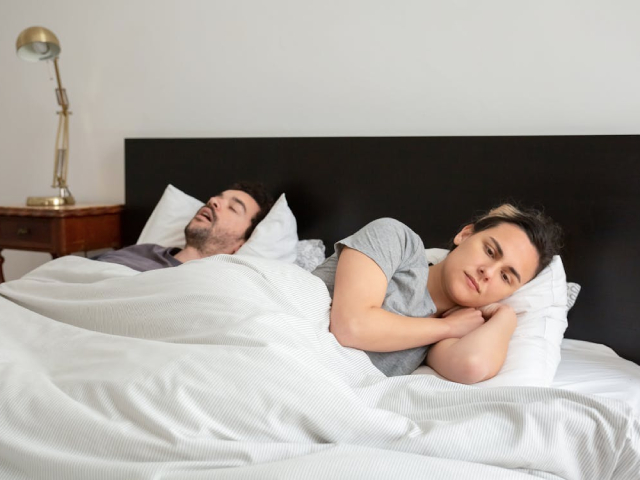
One in three couples are 'sleep incompatible' - relationship expert warns body clock clashes may be damaging intimacy
Research suggests up to one-third of couples report being 'sleep incompatible', while couples with mismatched chronotypes often report poorer sleep quality and lower sexual satisfaction. Despite this, many couples have never heard of the science.
Relationship experts at Sister Wives explain 'chronotype clashes', the science behind compatibility and the simple way couples can find out if they're biologically matched.
What is a chronotype clash?
Robyn Alesich, relationship expert and matchmaker from Sister Wives, explains: "Most couples assume relationship problems stem from communication or stress, but they rarely consider that their body clocks might just be incompatible. Sleep incompatibility often threatens relationships without either person understanding why."
A chronotype is your body's natural tendency to fall asleep and wake up at a certain time. Chronotypes are shaped by circadian rhythms, the body's internal 24-hour clock which regulates hormones like melatonin and cortisol, influencing when we naturally feel alert or sleepy. It's another way of explaining earlier birds and night owls.
A chronotype clash occurs when partners don't share the same chronotype and gradually fall out of sync, often without realising it's happening.
"For example, one partner may feel ready for bed at 10pm while the other is most alert late into the night," Robyn explains.
Why sleep compatibility matters for relationships
Studies suggest couples with matched chronotypes report better sleep quality than couples whose body clocks are misaligned. Interestingly, research has also found that matched couples report higher sexual satisfaction.
"While many couples struggle with intimacy and assume it's an emotional issue, they don't realise that biology could be a cause.
"Poor sleep affects everything from mood and patience to libido and emotional availability. If you're sleeping worse because your partner's body clock runs differently from yours, it can create a cycle of irritability, impacted emotional connection and lower intimacy. This can build up over time and make your relationship feel like it's deteriorating. However, there are solutions."
What can couples do?
A recent survey found that 75% of couples go to bed at different times, and a third of them say it causes arguments in their relationships.
"If you're worried about having mismatched chronotypes, it's not always a dealbreaker. Couples who understand their biological differences can make adjustments, such as maintaining separate wind-down routines or agreeing on a 'together window' in the evening. Making small changes like this can dramatically improve both sleep and intimacy.
"Couples intrigued to find out more about their compatibility can take the Munich Chronotype Questionnaire online in under five minutes and compare results. Questions cover napping, workday routines and natural light preferences, to name a few. Comparing results can open up a fresh conversation about why sleep and the relationship might have been struggling."
https://www.sisterwives.com/
Image Credit: Kampus Production Pexels
Research suggests up to one-third of couples report being 'sleep incompatible', while couples with mismatched chronotypes often report poorer sleep quality and lower sexual satisfaction. Despite this, many couples have never heard of the science.
Relationship experts at Sister Wives explain 'chronotype clashes', the science behind compatibility and the simple way couples can find out if they're biologically matched.
What is a chronotype clash?
Robyn Alesich, relationship expert and matchmaker from Sister Wives, explains: "Most couples assume relationship problems stem from communication or stress, but they rarely consider that their body clocks might just be incompatible. Sleep incompatibility often threatens relationships without either person understanding why."
A chronotype is your body's natural tendency to fall asleep and wake up at a certain time. Chronotypes are shaped by circadian rhythms, the body's internal 24-hour clock which regulates hormones like melatonin and cortisol, influencing when we naturally feel alert or sleepy. It's another way of explaining earlier birds and night owls.
A chronotype clash occurs when partners don't share the same chronotype and gradually fall out of sync, often without realising it's happening.
"For example, one partner may feel ready for bed at 10pm while the other is most alert late into the night," Robyn explains.
Why sleep compatibility matters for relationships
Studies suggest couples with matched chronotypes report better sleep quality than couples whose body clocks are misaligned. Interestingly, research has also found that matched couples report higher sexual satisfaction.
"While many couples struggle with intimacy and assume it's an emotional issue, they don't realise that biology could be a cause.
"Poor sleep affects everything from mood and patience to libido and emotional availability. If you're sleeping worse because your partner's body clock runs differently from yours, it can create a cycle of irritability, impacted emotional connection and lower intimacy. This can build up over time and make your relationship feel like it's deteriorating. However, there are solutions."
What can couples do?
A recent survey found that 75% of couples go to bed at different times, and a third of them say it causes arguments in their relationships.
"If you're worried about having mismatched chronotypes, it's not always a dealbreaker. Couples who understand their biological differences can make adjustments, such as maintaining separate wind-down routines or agreeing on a 'together window' in the evening. Making small changes like this can dramatically improve both sleep and intimacy.
"Couples intrigued to find out more about their compatibility can take the Munich Chronotype Questionnaire online in under five minutes and compare results. Questions cover napping, workday routines and natural light preferences, to name a few. Comparing results can open up a fresh conversation about why sleep and the relationship might have been struggling."
https://www.sisterwives.com/
Image Credit: Kampus Production Pexels



MORE
FEMALE.COM.AU
CONTACT US
FOLLOW US ON
Copyright © 2001 - Female.com.au, a Trillion.com Company - All rights reserved.