
Why More Australian Women Are Rethinking Their Night-Time Hair Care Routine
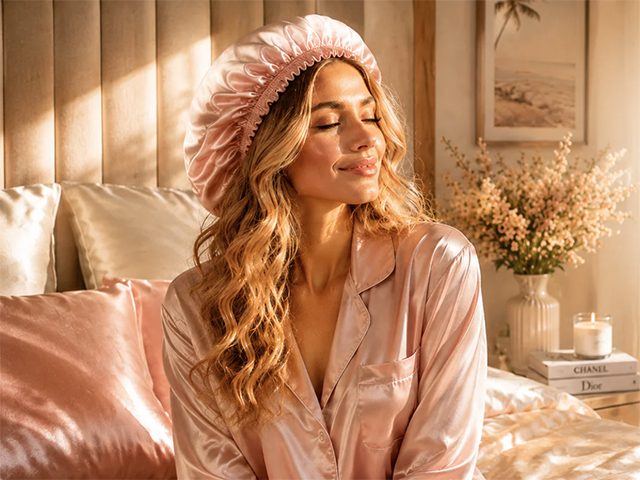
For years, hair care has largely focused on what happens during the day.
From salon appointments and styling products to heat protectants and expensive treatments, many Australian women invest significant time and money into maintaining healthy-looking hair. Yet an increasing number of beauty professionals believe one of the most overlooked parts of any hair care routine happens long after the day is over.
While we sleep.
As awareness grows around the effects of overnight friction, moisture loss and hair breakage, more women are beginning to reconsider what happens to their hair during the six to eight hours they spend in bed each night. The result is a growing interest in sleep-friendly beauty routines designed to help protect hair while resting.
According to Silk Bonnet World, Australians are becoming increasingly aware that healthy hair is often influenced by small daily habits rather than occasional intensive treatments. As a result, many women are shifting their focus toward preventative hair care practices that can be easily incorporated into their nightly routines.
The Growing Focus on Hair Health
Hair care trends have evolved significantly over the past decade.
Rather than simply chasing the latest hairstyle, many consumers are now prioritising long-term hair health. Discussions around scalp care, hydration, hair damage and preventative maintenance have become increasingly common across social media platforms, beauty blogs and professional salons.
This shift reflects a broader understanding that healthy hair is not achieved through a single product or treatment. Instead, it is the result of consistent habits performed over time.
Just as skincare experts encourage daily sun protection and moisturising, hair care professionals increasingly emphasise the importance of reducing unnecessary stress on the hair shaft wherever possible.
One area receiving growing attention is what happens while we sleep.
What Happens to Your Hair Overnight?
Most people spend approximately one-third of their lives sleeping.
While resting, the body undergoes various recovery processes. However, hair is still subjected to physical movement throughout the night.
Every time a person turns over, adjusts their position or moves their head, hair comes into contact with bedding surfaces. Over hundreds of nights, this repeated friction can contribute to wear and tear on the hair cuticle.
For some individuals, particularly those with long, curly, textured, chemically treated or naturally dry hair, this can lead to:
● Increased frizz
● Tangling
● Split ends
● Dryness
● Breakage
● Loss of curl definition
● Difficulty maintaining hairstyles
The effects are often gradual, making them easy to overlook until visible damage begins to appear.
Why More Women Are Taking a Preventative Approach
Traditionally, many hair care routines have focused on repairing damage after it occurs.
Deep conditioning treatments, masks, oils and salon services all play valuable roles in maintaining hair health. However, many women are now embracing the idea that preventing damage in the first place may be equally important.
Preventative hair care focuses on reducing the factors that contribute to stress on the hair fibre.
This approach often includes:
● Limiting excessive heat styling
● Reducing harsh brushing
● Avoiding overly tight hairstyles
● Protecting hair from environmental exposure
● Improving overnight hair care habits
By reducing unnecessary stress, women may be able to maintain healthier-looking hair over the long term.
The Link Between Friction and Hair Damage
One of the most commonly discussed aspects of overnight hair care is friction.
Hair fibres are surprisingly delicate. Repeated rubbing against rough surfaces can gradually weaken the outer cuticle layer that helps protect each strand.
When this protective layer becomes compromised, hair may become more vulnerable to:
● Moisture loss
● Tangling
● Breakage
● Frizz
Individuals with curly and textured hair often notice these effects more quickly because their hair structure naturally makes it more prone to dryness and tangling.
This has led many beauty enthusiasts to explore ways of reducing overnight friction as part of their overall hair care strategy.
Why Night-Time Hair Care Is Becoming Part of Modern Self-Care
The growing popularity of overnight hair protection is also closely connected to broader wellness trends.
Today's consumers are increasingly interested in self-care practices that support both physical and mental wellbeing. Rather than viewing beauty as something separate from wellness, many women now see the two as closely connected.
Night-time routines have become an important part of this movement.
From skincare rituals and relaxation techniques to sleep optimisation and hair protection, many Australians are creating evening habits designed to help them feel their best the following day.
These routines often provide more than cosmetic benefits. They can also contribute to a sense of consistency, routine and personal care that supports overall wellbeing.
The Rise of Protective Hair Habits
As conversations around hair health continue to evolve, protective hair practices have become increasingly mainstream.
Many women now incorporate simple overnight strategies such as:
● Wearing hair loosely rather than tightly tied
● Using gentle hair ties
● Sleeping with braided hairstyles
● Maintaining adequate hydration
● Reducing friction during sleep
Protective habits are particularly popular among women with:
● Curly hair
● Coily hair
● Colour-treated hair
● Fine hair
● Long hair
However, they are increasingly being adopted by women with all hair types who want to minimise unnecessary damage.
Why Silk Bonnets Are Gaining Popularity
Among the various overnight hair protection options available today, silk bonnets have experienced significant growth in popularity.
Once primarily associated with textured hair communities, silk bonnets are now being embraced by a much broader audience.
One reason for this shift is increased education around overnight hair protection. As more women learn about the role friction can play in hair damage, they are exploring practical ways to create a gentler sleeping environment for their hair.
Many users appreciate silk bonnets because they help keep hair contained while sleeping, reducing tangling and minimising direct contact with bedding surfaces.
For individuals who spend considerable time styling their hair, overnight protection can also help maintain hairstyles between washes, potentially reducing the need for daily heat styling.
This preventative approach aligns with broader beauty trends that prioritise hair preservation rather than continual repair.
Social Media Has Changed the Conversation
Platforms such as TikTok, Instagram and YouTube have played a major role in bringing overnight hair care into the mainstream.
Hair care creators regularly share content discussing:
● Frizz prevention
● Hair breakage
● Curl preservation
● Overnight routines
● Protective styling techniques
These discussions have helped introduce many Australians to practices that were previously less widely known outside specialist beauty communities.
Importantly, they have also encouraged consumers to think more critically about the cumulative effects of everyday habits.
Rather than searching for a single miracle product, many women are beginning to appreciate how small daily choices can influence long-term results.
Small Changes Often Create the Biggest Results
One of the reasons overnight hair care has become so popular is that it does not necessarily require major lifestyle changes.
Many of the most effective habits are relatively simple to implement.
Examples include:
● Creating a consistent bedtime routine
● Reducing excessive heat styling
● Keeping hair hydrated
● Avoiding overly tight hairstyles
● Taking steps to minimise friction during sleep
Unlike expensive salon treatments that may only be performed occasionally, these small habits can be repeated every night.
Over time, consistency often becomes one of the most powerful factors in maintaining healthy-looking hair.
Looking Ahead
As Australians continue to embrace wellness-focused beauty practices, interest in overnight hair care is likely to keep growing.
Consumers are increasingly recognising that healthy hair is not only influenced by the products they use during the day but also by the habits they follow at night.
By taking a preventative approach and paying closer attention to what happens while they sleep, many women are finding simple ways to support healthier hair over the long term.
The growing popularity of night-time hair care reflects a broader shift in modern beauty"one that values consistency, prevention and sustainable habits over quick fixes. For many Australian women, protecting their hair while they sleep has become an easy yet meaningful addition to their overall self-care routine.



MORE
FEMALE.COM.AU
CONTACT US
FOLLOW US ON