
Medical grade skincare: what the label actually means, and what to look for
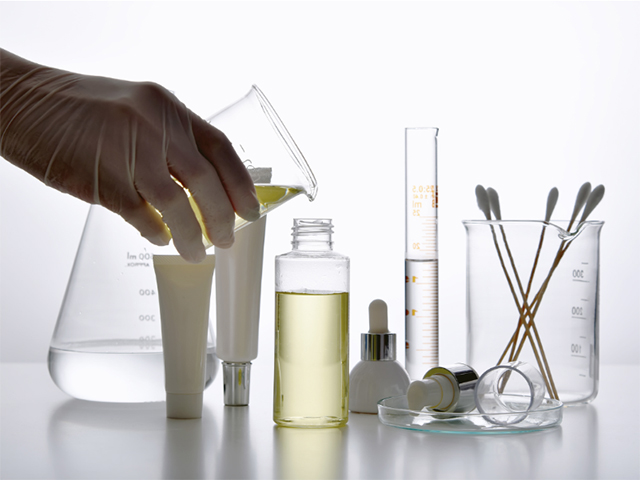
(Feature Image: Medical grade skincare. Credit: ARTFULLY79/Canva)
Walk down any beauty aisle or scroll any skincare feed and you will see the same phrase over and over: medical grade. It sits on serums, moisturisers and treatment creams, usually alongside a higher price tag and a promise of professional-level results. It sounds reassuringly clinical, but what does it actually mean, and is a medical grade product genuinely different from the one you already have in your bathroom cabinet? The honest answer is that the term is more useful as a signal than as a strict definition, and understanding the difference is the key to spending your skincare budget well. Here is what separates genuine medical grade skincare from clever marketing, and how to tell which is which. The first thing worth knowing is that "medical grade" and "cosmeceutical" are industry terms, not regulated legal classifications. In Australia, products that go on your skin are generally treated either as cosmetics or, when they make therapeutic claims or contain certain ingredients, as therapeutic goods regulated by the Therapeutic Goods Administration. There is no official tier in between called "medical grade". That does not make the phrase meaningless. It is generally used to describe skincare formulated with higher concentrations of clinically studied active ingredients, often developed by or in conjunction with doctors, dermatologists or skin clinics, and intended to deliver visible change rather than simply hydrate the surface. The catch is that, because no regulator polices the term, any brand can print it on a box. That is exactly why knowing what to look underneath the label matters. The real difference between everyday skincare and medical grade skincare usually lives in the active ingredients: the compounds that have been shown to change how skin behaves rather than just how it feels. Over-the-counter products tend to use lower concentrations of these actives, formulated to be safe for the general population to use without any guidance. That is a sensible design choice for a mass-market product, but it also means the results are often gentler. Medical grade and cosmeceutical formulations typically use higher, more carefully calibrated concentrations of the same ingredients, the kind that are more likely to produce a visible result but also more likely to need a considered approach to how you introduce them. The actives with the strongest evidence behind them are not exotic. Retinoids, or vitamin A, are widely regarded as the gold standard in topical anti-ageing, with decades of research showing they stimulate collagen, encourage healthy skin cell turnover and soften the look of fine lines. Vitamin C is the best-studied antioxidant for brightening and protecting against environmental damage. Alpha hydroxy acids resurface and smooth, niacinamide calms and supports the skin barrier, and peptides and ceramides help with firmness and resilience. A credible medical grade range is usually built around this evidence-based core rather than a long list of trend-led extras. It would be easy to conclude that stronger is simply better, but that is where a lot of skincare spending goes wrong. A high percentage of an active is worthless if the formula is unstable, poorly absorbed or so harsh it damages your skin barrier. This is the quieter advantage of well-made medical grade skincare: formulation. Ingredients like vitamin C and retinol are notoriously temperamental, degrading in light and air, so the way a product is formulated and packaged determines whether the active is still doing anything by the time it reaches your face. Good formulations also pay attention to delivery, helping actives penetrate beyond the very surface of the skin, and to compatibility, so the ingredients in a routine work together rather than against each other. A thoughtfully formulated product at a moderate concentration will almost always outperform a high-strength one that oxidised months ago. The other thing the "medical grade" label is gesturing at is expertise, and this is where it earns its keep. Skincare developed with clinical input tends to be designed as a system, with products meant to be layered in a particular order and introduced at a particular pace, rather than a collection of standalone miracle creams. That guidance matters because the most effective actives are also the ones most likely to cause irritation if used incorrectly. Retinoids are the classic example: start too strong, too fast, and you will end up red, flaking and convinced the product does not suit you, when the issue was simply how it was introduced. A brand or clinic that offers genuine advice, whether through a consultation, a skin assessment or clear educational content, is helping you avoid the mistakes that quietly waste money and damage skin. The product is only half of the result; how you use it is the other half. Because the term is unregulated, the burden is on you to read past it. A few practical questions cut through most of the noise. The most credible medical grade skincare brands are transparent about what is inside: they name their active ingredients and, ideally, their concentrations, rather than hiding behind proprietary "complexes" with no detail. Check whether there is real clinical or scientific credibility behind it, such as development by a doctor, dermatologist or surgeon, or reference to actual studies rather than vague claims. Consider whether the range is designed to work together as a routine, and whether the company offers proper guidance on how to use it. And be reassured by realistic promises: effective skincare talks about gradual, consistent improvement over weeks and months, not overnight transformation. If a product ticks those boxes, the medical grade description is probably pointing at something real. If the only evidence is the phrase itself, you are paying for the words on the box. (Graphic: Skincare label interpretation. Credit: Custom) Medical grade skincare is best understood not as a guaranteed standard but as a category of products that, at their best, combine proven active ingredients, intelligent formulation and clinical expertise. The label alone guarantees none of that, but the underlying qualities it is meant to represent are exactly what make skincare actually work. Australian brands have made this far more accessible than it used to be, bringing clinical credibility and evidence-based actives into everyday routines without the mystique. Whichever range you choose, the principle holds: ignore the buzzwords, look for the actives, the science and the guidance behind them, and let consistency, not hype, do the work.
"Medical grade" is not a legal category
It comes down to the actives, and how much of them
Concentration is not the whole story
Why professional input matters
How to tell genuine medical grade skincare from marketing

The takeaway


MORE
FEMALE.COM.AU
CONTACT US
FOLLOW US ON