
Oura Ring your investment in health
Oura Ring 4 Review: Is This Smart Ring Worth the Investment?
Smart rings have become an increasingly popular alternative to fitness watches, and the Oura Ring 4 is one of the best-known option on the market. Rather than displaying notifications or demanding attention throughout the day, it quietly collects information about sleep, activity, heart rate and recovery, with the results available through a companion smartphone app.
But with a premium purchase price and an ongoing membership fee, is the Oura Ring 4 genuinely useful, or is it another piece of wellness technology that sounds better in theory than it does in everyday life?
A stylish design that doesn't scream fitness tracker
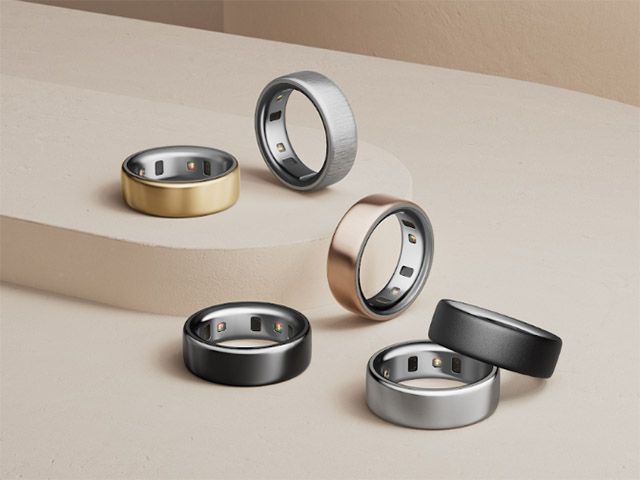
One of the Oura Ring 4's biggest selling points is its understated appearance. Made from titanium, it looks more like a piece of everyday jewellery than a traditional fitness tracker. It's available in several finishes, including silver, black, gold, rose gold and stealth, making it easier to find one that suits your personal style.
Unlike a smartwatch, there's no screen to light up during dinner, no notifications to interrupt a conversation and no need to think about which watch strap matches your outfit. You simply wear it and check the app when you want to see your data.
The redesigned interior also features recessed sensors, making the ring smoother against the finger than its predecessor. This improves everyday comfort, particularly when wearing it overnight. However, it's still a relatively substantial ring, and you may notice it when gripping weights, carrying heavy shopping or doing activities that put pressure on your fingers.
Sizing is important, too. Your fingers can change size throughout the day and with temperature, so using Oura's sizing kit before ordering is well worth the extra step.
Sleep tracking is where the Oura Ring 4 really shines
If there's one area where the Oura Ring 4 stands out, it's sleep tracking. The ring monitors overnight movement, heart rate, heart rate variability, body temperature trends and estimated sleep stages to build a picture of your nightly rest.
The accompanying app turns this information into easy-to-understand Sleep and Readiness scores. Rather than simply telling you how many hours you spent in bed, it helps you look at patterns in your sleep quality and how prepared your body may be for the day ahead.
Over time, these trends can be particularly useful. You might notice that going to bed later affects your recovery, that your sleep becomes less consistent after a busy week, or that you generally feel better after allowing yourself more time to rest.
The important distinction is that sleep-stage readings are estimates, not a clinical sleep study. The scores are best used to understand longer-term patterns rather than worrying about every individual night's result.
For anyone interested in improving their sleep routine without wearing a bulky watch to bed, this is arguably the ring's strongest feature.
More than just counting steps
The Oura Ring 4 tracks daytime heart rate, activity, movement, estimated calorie expenditure and periods of inactivity. It can also automatically recognise many everyday activities, while the app provides insights into stress, recovery and longer-term health trends.
Women's health features are another useful inclusion, with cycle-related insights and temperature trends that can help users understand changes across their menstrual cycle. These features are informative rather than diagnostic, and predictions should not be treated as a substitute for medical advice or contraception.
The ring's Smart Sensing technology uses multiple sensor pathways to help obtain readings when finger position or fit affects the signal. Compared with the previous generation, this can improve data consistency and reduce gaps in some measurements.
However, the Oura Ring 4 isn't a complete replacement for a dedicated sports watch. Workout detection and step counts aren't always perfect, and its lack of a display means you won't see live pace, distance or heart rate directly on your hand. Anyone who enjoys detailed training statistics or needs real-time exercise feedback may find a smartwatch more practical.
The app makes the experience
The hardware is only half the story. Much of the Oura Ring 4's appeal comes from the app, which organises a considerable amount of health data into relatively approachable summaries.
Instead of expecting users to interpret endless graphs, the app highlights trends across sleep, activity and recovery. This makes it useful even if you're not particularly interested in the technical side of health tracking.
The downside is that there is still a lot of information to explore. Some people will enjoy spotting patterns and making small lifestyle adjustments, while others may find the scores and daily recommendations become repetitive after the initial novelty wears off.
There's also a potential downside to constant tracking: it can be easy to become overly focused on achieving a perfect score. The most useful approach is to treat the information as a guide, rather than allowing a low Readiness or Sleep score to dictate how you feel.
Battery life: one less thing to charge
Oura advertises up to eight days of battery life, although actual results vary depending on use and settings. Independent testing has reported results closer to six days in some circumstances, which is still convenient compared with charging many smartwatches every night.
The ring comes with a dedicated charging dock. It's small and straightforward to use, but it's another accessory to remember when travelling. There is no built-in display, so you won't see your remaining battery percentage on the ring itself.
Battery performance can also change as the device ages. It's worth keeping an eye on this over time, particularly given the cost of the initial purchase.
The battery life is a genuine advantage for anyone who wants continuous overnight tracking without having to plan their routine around charging a wearable.
The biggest drawback is the price
The Oura Ring 4 sits firmly in the premium category. In Australia, pricing depends on the finish, with standard finishes generally less expensive than options such as gold and rose gold. It's worth checking current local pricing before purchasing. More importantly, the full experience comes with an ongoing Oura membership. The subscription unlocks the detailed insights and health data that make the ring useful, so the total cost is more than the initial purchase price.
This is a significant consideration. If you're only interested in counting steps or checking your heart rate occasionally, a less expensive fitness tracker may offer better value. If you genuinely enjoy analysing your sleep, recovery and health trends, the membership may feel more worthwhile.
The titanium exterior is also not immune to scratches, particularly with regular contact against other metal objects. If you're buying the ring partly for its jewellery-like appearance, you'll need to accept that everyday wear may leave marks over time.
Is the Oura Ring 4 worth buying?
The Oura Ring 4 is best suited to people who want a discreet, comfortable way to monitor their health without wearing a smartwatch. Its strongest features are sleep tracking, recovery insights, battery life and an app that makes longer-term trends relatively easy to understand.
It's less compelling for people who primarily want detailed workout tracking, live exercise statistics or a device that doesn't require a subscription. It also won't appeal to everyone who simply wants to improve their general fitness, particularly if they aren't likely to check the app regularly.
One other consideration is timing. Oura's product range has moved on, with the newer Oura Ring 5 now appearing on the official store. That makes the Ring 4's current price and any available discounts especially important when deciding whether to buy it.
The verdict: The Oura Ring 4 is a polished and capable health tracker, particularly for people interested in sleep and recovery. Its discreet design makes it easier to wear consistently, and that consistency is where much of its value comes from. However, the price, ongoing membership and limitations during workouts mean it's not an automatic recommendation for everyone.
If sleep and everyday wellness are your priorities, it's a strong option. Just make sure you're paying for insights you'll actually use, rather than simply another gadget to collect data.


MORE
FEMALE.COM.AU
CONTACT US
FOLLOW US ON