
How to Get Glowing Skin: Simple Ways to Bring Back Your Natural Radiance
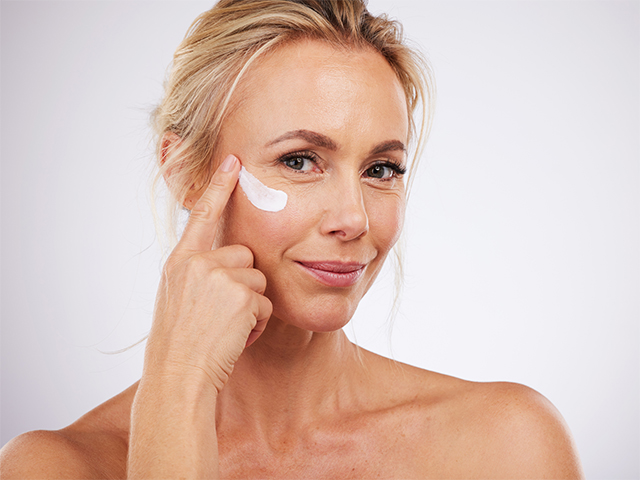
There's nothing quite like healthy, glowing skin. But when your complexion starts looking flat, tired or uneven, it can be difficult to know what has changed. Everyday factors such as environmental pollution, stress, dehydration, lack of sleep and an inconsistent skincare routine can all contribute to skin losing its natural-looking brightness.
The good news is that a radiant complexion doesn't necessarily require an expensive collection of beauty products. A few consistent changes to your daily routine, combined with the right skincare ingredients and healthy lifestyle habits, can help your skin look fresher, smoother and more luminous.
Start With Hydration
One of the easiest places to begin is with hydration. When the body isn't getting enough fluids, skin can appear dry, tight and less plump, which can make fine lines more noticeable.
Make water a regular part of your day and include plenty of water-rich foods such as cucumber, watermelon and other fresh fruit and vegetables. Herbal teas can also contribute to your daily fluid intake.
Hydration isn't only about what you drink, either. A moisturiser or hydrating serum can help support the skin's moisture barrier and reduce that dry, tight feeling. Look for products suited to your individual skin type and apply them consistently rather than only when your skin feels particularly dry.
Make Exfoliation Part of Your Routine
Dead skin cells naturally build up on the surface of the skin. When too many accumulate, they can leave your complexion looking rough, uneven and lacking in brightness.
Gentle exfoliation can help remove this buildup and reveal the smoother skin underneath. Depending on your skin type and preferences, you might choose a chemical exfoliant containing ingredients such as glycolic acid or lactic acid, or a gentle physical exfoliator.
The key is not to overdo it. Exfoliating too frequently can cause redness, sensitivity and irritation. Start slowly and give your skin time to adjust, particularly if you're introducing a new active ingredient.
Eat for Healthier-Looking Skin
Your skincare routine isn't the only thing that can influence the appearance of your complexion. What you put on your plate matters too.
Try to build meals around a variety of colourful fruit and vegetables, lean proteins, whole foods and sources of healthy fats. Foods containing vitamin C, including oranges, berries and capsicum, are particularly useful additions to a balanced diet, while fish, nuts and seeds provide beneficial fatty acids.
At the same time, consider cutting back on highly processed foods and excessive amounts of added sugar. A balanced diet won't transform your skin overnight, but good nutrition is an important part of supporting overall skin health.
Keep Your Skincare Routine Simple and Consistent
More skincare products don't necessarily mean better results. A straightforward routine that you actually follow every day can be far more useful than a complicated regime that you regularly skip.
In the morning, begin with a gentle cleanser if needed, followed by products that address your individual concerns. A vitamin C serum can be a popular choice for those wanting to improve the appearance of dullness, while moisturiser helps maintain hydration.
Perhaps the most important daytime step is sunscreen. Regular exposure to ultraviolet (UV) radiation can contribute to premature skin ageing and changes in skin appearance, so broad-spectrum sun protection should be an everyday habit.
At night, cleanse away makeup, sunscreen and daily buildup before applying your chosen skincare products. This is also a good time to use richer moisturisers or other treatments suited to your skin's needs.
Don't Underestimate the Importance of Sleep
Your skin can reflect how well you're looking after the rest of your body. When you're consistently short on sleep, your complexion can appear tired, while dark circles and a lack of brightness may become more noticeable.
Aim to establish a regular sleep routine and give yourself enough time to get the rest your body needs. Creating a relaxing wind-down period before bed can make it easier to switch off from the day.
Stress management can also play a role. Ongoing stress can affect the way your skin looks and may contribute to problems such as breakouts. Finding time for activities that help you relax " whether that's walking, meditation, yoga, reading or simply taking a few minutes away from your phone " can benefit both your wellbeing and your overall routine.
Give Your Skin Time to Respond
Achieving a healthy-looking glow isn't usually about one miracle product or an overnight transformation. Skin responds best to consistency.
Focus on the basics: drink enough fluids, eat a varied and nutritious diet, gently remove dead skin cells, moisturise regularly, protect your skin from the sun and prioritise sleep and stress management.
Once these foundations are in place, you can introduce targeted skincare products according to your individual concerns. By taking a more holistic approach, you can gradually help your complexion look smoother, fresher and more radiant " without making your skincare routine unnecessarily complicated.
Image credit istock PeopleImages


MORE
FEMALE.COM.AU
CONTACT US
FOLLOW US ON