
Australians Spending Less Time Outdoors Are at Greater Risk of Loneliness, New Research Finds
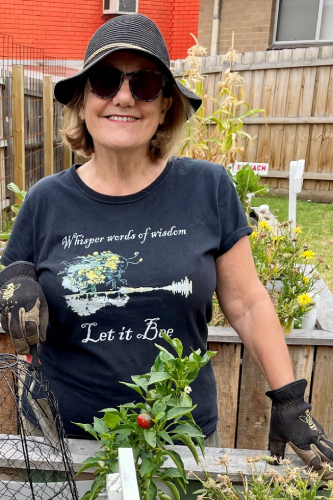
As nearly half of Australians report feeling lonely or disconnected multiple times a week, new national research has uncovered a powerful, and surprisingly simple, antidote: time outside.
Australians who spend more than 20 hours outdoors each week are twice as likely to feel socially connected compared to those who spend less than two hours, according to new research released by the Melbourne International Flower & Garden Show.
The findings expose a growing 'nature gap' at the heart of Australia's loneliness crisis.
Australians who spend more than 20 hours outdoors each week are twice as likely to feel socially connected compared to those who spend less than two hours, according to new research released by the Melbourne International Flower & Garden Show.
The findings expose a growing 'nature gap' at the heart of Australia's loneliness crisis.
- 49 per cent of Australians feel lonely or disconnected at least a few times a week
- 59 per cent want to spend more time connecting with others in real world or outdoor settings
- Yet 61 per cent spend five hours or less outdoors in a typical week
- Almost one in three (32 per cent) rarely garden or spend less than two hours a week caring for plants
- 86 per cent say time outdoors boosts their mental health
New research from the Melbourne International Flower & Garden Show reveals that spending time in nature, especially gardening, may be one of the simplest ways to nurture connection. Regular gardeners are among the least lonely people in the country, while those who spend little time outside are far less likely to feel socially connected.
Despite broad awareness that nature boosts wellbeing, Australians are increasingly disconnected from it, and from each other. The research shows regular gardeners are among the least lonely people in the country, while those spending minimal time outdoors are significantly less likely to feel socially connected.
At a time when burnout, busyness and screen fatigue are eroding community ties, the findings point to a solution that is refreshingly low-tech, accessible and already within reach, whether it's tending a backyard, nurturing balcony plants, or simply spending more time outside.
In an era dominated by digital connection, the most effective social network may still be the one growing in our own backyard.
Nature: the original social network
Australians instinctively know nature is good for them, with 86 per cent agreeing time outdoors boosts mental health. Yet burnout and busyness are major barriers to social connection, with more than a third feeling too tired or stressed to build meaningful relationships.
Almost one in three Australians (32 per cent) either don't garden at all or spend two hours or less per week caring for plants, despite clear links between outdoor time and wellbeing*. Six in ten (61 per cent) say they spend five hours or less outdoors in a typical week.
"Time spent outdoors and hands-on engagement with plants isn't just good for mood, it actively supports social health," says Tanya Bearup, social worker and Vice President of Therapeutic Horticulture Australia.
"The research shows Australians who garden regularly or spend more time in nature are far less likely to feel lonely and far more likely to feel socially connected. Gardening creates connection without expectation with nature around you. People can show up as they are, work alongside others, and feel a sense of belonging," Tanya adds.
From seedlings to 7,400 neighbours
For Fiona Clark, a 69-year-old grandmother from Cheltenham, gardening has always been more than just a hobby. Growing up in a family of gardeners, she learned early on the value of nurturing plants and community.
Eight years ago, she founded Bayside Gardeners, now a thriving local Facebook group of 7,400 members sharing advice, cuttings and encouragement. What began as a place to swap practical advice about local soil conditions and seasonal planting, quickly became something deeper during COVID lockdowns.
"Gardening has always been part of my life, but I never realised how much connection it could foster," Fiona says.
Within a 5km radius, members left seedlings in letterboxes, swapped seeds and cuttings, and shared surplus produce or mulch with people they had never met.
"I had thank-you letters from five-year-olds for the lemons I left out," Fiona recalls. "People would post that they had extra herbs or materials, and within hours someone would be dropping them off. I'd receive messages saying, 'I don't know what I'd do without this group.' It wasn't just about plants; it gave people a sense of purpose and connection when many were feeling alone." The group now hosts regular in-person swap days that double as informal social gatherings, along with seasonal events and a much-anticipated Christmas party.
"People greet each other like long-lost friends at the swaps, even if it's the first time, they're meeting face-to-face," Fiona says. "Many have gone on to visit open gardens together and formed genuine friendships. Others have told me our Christmas party was the only one they were invited to. That's when you realise it's about belonging. We're not just sharing planting tips, we're creating a space where people feel seen, welcome and part of something."
Rooted in connection
With nearly six in ten Australians craving more real-world connection, the 2026 Melbourne International Flower & Garden Show arrives at the perfect time.
"There's something about being surrounded by plants that gets people talking," says Trent Cornish, Director of the Melbourne International Flower & Garden Show. "Every year we see strangers turn into friends. It's what makes the Show so special."
This March, the 2026 Show will celebrate connection through hands‑on planting and floral arrangements, spectacular design installations, and immersive green spaces that bring people together.
So, this March, ditch the screens, grab a trowel, and rediscover what happens when Australians reconnect with the earth, and with each other.


MORE
- Australia Day 2016 Celebrations at Sydney...
- MKTO Announce 2026 Aus & NZ
- Beauty Guru - Hot Lips
- Barangaroo Reserve Blak Markets
- Sweeney Todd Season Chapel
- Barangaroo Welcome Celebration - October
- Ben Salter The Stars My Destination Tour
- Luke Severeid AU NZ Tour
- An Australian Travel Sale
- Savages at Theatre Works
- Phil Jamieson Blue
- One Night Stand Griffith
- #LoveHellmanns Burger Food Truck
- VIC Debut Shows
- Birdsville Races Gallop
- Bigsound Artist In Conversat
- Labyrinth In Concert
- Alumbra Celebrates Good Food Month: Cheap Eats
- The Sacrifice of Farinelli
- AFCM Winterschool – Advanced Masterclass Program
- Adman: Warhol before pop
FEMALE.COM.AU
CONTACT US
FOLLOW US ON
Copyright © 2001 - Female.com.au, a Trillion.com Company - All rights reserved.