
Rebuilding Your Independence: What to Sort Out in Your First Year
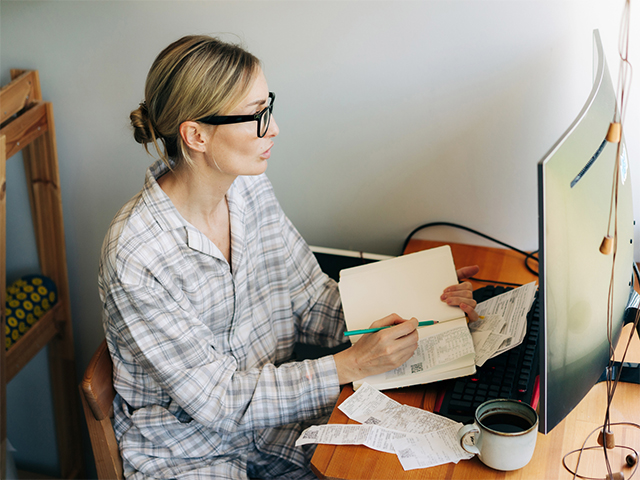
Regardless of whether you have left a relationship, moved to a new city, changed careers or come through a difficult financial period, starting over can feel both freeing and frightening.
But while there may be a long list of things demanding your attention, you do not have to solve everything during the first month. In fact, your first year should really be about building a stable base, one step at a time. For many women, that may involve sorting out money, housing, paperwork, work and everyday routines. It also means giving yourself time to adjust to a life that might look very different from the one you had planned. Let's take a look at what you can do to build your independence in the first 12 months after a significant life change. A good place to begin when starting over is with the issues that affect your immediate safety and stability. Typically, these will include a secure place to live, access to money, essential bills, and reliable transport. It is worth writing down what needs attention this week, this month and later in the year. Itemising it on paper is much better and less daunting than carrying every concern in your head. In this period, there may be unavoidable costs involved in setting up a new home, repairing a car or replacing essential appliances. If you have limited savings at your disposal and your credit history has suffered, then bad credit loans from EBP Money may be one option to research. However, before applying for any loan, make sure you check the interest rate, fees, repayments and total amount payable. Perhaps most importantly, try not to compare your new beginning with somebody else's established life. Your job is simply to work out what you need now and what can wait. It is essential to take control of your finances, as this will let you know exactly where you stand. Take the time to list your income, savings, debts, regular bills and upcoming expenses. Also make a point of opening every statement and checking your account balances to make sure all your transactions line up. If you previously shared money with a partner, consider opening an account in your name and redirecting your income into it. At the same time, review joint account arrangements, subscriptions, automatic payments and authorised cardholders. Your bank will be happy to help if you need any assistance. You will likely have a lot of weekly expenditure to cover. But a good starting point is to pay for housing, food, utilities, and essential transport first. After that, list your debts by repayment date, then by highest interest rate and largest outstanding balance. If you find yourself falling behind, contact the lender or service provider. Many offer hardship assistance, can organise a new, more favourable payment arrangement, or allow for "payment holidays". Should you require it, you can receive free financial counselling through the National Debt Helpline. However, be cautious about businesses promising to erase debts or repair a credit file for a large fee. Your ideal home may not be affordable straight away. Instead, a smaller rental, shared house or temporary stay with family could give you time to save and work out what you want next. If you plan to rent, think beyond the weekly cost and include the bond, moving costs, utilities, internet, commuting, and basic furniture. You may consider rent-vesting. But check whether the location is close to work, public transport, schools, medical care and people you rely on. Before you move in, read the agreement carefully and photograph the property. Keep copies of the condition report, bond receipt and correspondence with the agent or landlord. If your life change is emotional, it can be easy to overlook administrative tasks. But they do need to be completed. Therefore, it is worth creating a checklist that covers your address, emergency contact details, and relationship details with your employer, bank, insurer, super fund, and relevant government services. You may also need to update your: * Driver licence Finally, make sure you store important documents in one secure place and keep digital copies protected by strong, unique passwords. Having a reliable income can restore a sense of control, especially if you have been through a relationship breakup. Even if you are currently in a job, it is worth updating your CV, gathering references and noting the skills you have developed through paid work, caring responsibilities, study or volunteering. If you are employed, decide whether working extra hours, completing internal training, or taking a different position could ameliorate your career path. If you are looking for new employment, recruitment agencies can be very helpful in finding you a suitable role. Perhaps the most important thing you need to do is build a support network, especially if you are newly single or have moved to a new place where you don't know anyone. Thanks to the likes of Messenger and WhatsApp, it's easier than ever to keep in contact with people. However, it would also be good to have people you can talk to in person. If possible, try to reconnect with old friends. Alternatively, join a local group or take part in an activity you genuinely enjoy. Also, don't be afraid to seek professional support if you need it. A counsellor, financial counsellor, legal adviser or career coach may offer the kind of guidance friends cannot.Where should you begin when starting over?
How can you take control of your finances?
Which bills and debts need attention first?
What living arrangements will work for you?
What paperwork and accounts should you update?
* Electoral enrolment
* Medicare details
* Utility accounts
* Online passwordsHow can you strengthen your career and income?
How do you rebuild your support network?
image credit istock ilona titova



MORE
FEMALE.COM.AU
CONTACT US
FOLLOW US ON