
How to Travel with Your Pet Stress-Free
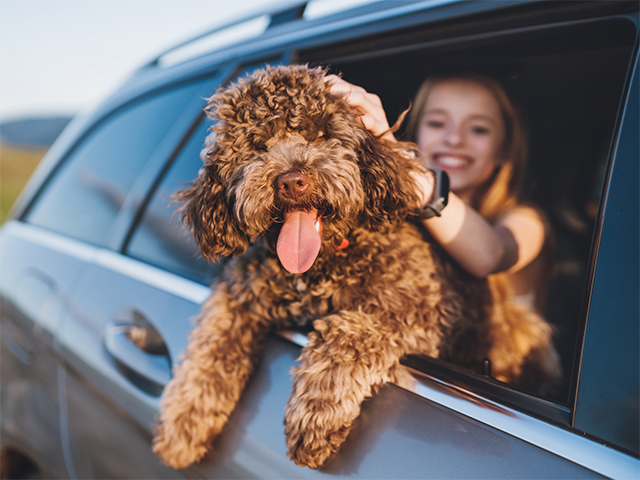
For many of us, pets aren't just animals; they're family. So when it comes time for a holiday, a weekend getaway, or even an interstate move, the thought of leaving them behind can feel impossible. The good news? Travelling with your pet can be smooth, safe, and surprisingly enjoyable with the right preparation.
Whether you're planning a road trip along the coast, flying interstate, or heading off on a cabin escape, a little planning goes a long way. The key to stress-free travel with your pet isn't perfection, it's preparation, patience, and understanding your pet's needs.
Start with Smart Planning
The biggest mistake pet owners make is leaving arrangements until the last minute. Travel with animals requires extra logistics, from transport rules to accommodation policies.
Before booking anything, check airline, train, or ferry regulations if you're not driving. Many transport providers have specific crate sizes, vaccination requirements, and health documentation rules. If you're staying overnight, confirm pet policies in writing " including size limits, additional fees, and whether pets can be left alone in rooms.
Planning also gives you time to schedule a quick vet check if needed. Making sure vaccinations, flea and tick prevention, and microchip details are up to date provides peace of mind.
-
Confirm transport rules early
-
Double-check accommodation pet policies
-
Ensure vaccinations and ID tags are current
-
Save local vet contact details at your destination
Tip: Create a small travel folder (digital or printed) with vaccination records and emergency contacts.
Choose the Right Travel Method
How you travel makes a huge difference in your pet's comfort level.
For many pets, car travel is the easiest option. It allows flexibility, bathroom breaks, and familiar surroundings. Secure your dog or cat in a proper harness, seatbelt attachment, or travel crate. Never allow pets to roam freely in the car; it's unsafe for both of you.
If flying is necessary, research airlines carefully. Some allow small pets in the cabin; others transport them in climate-controlled cargo areas. Book direct flights where possible to minimise transit time.
-
Car travel: safest and most flexible
-
Flights: choose direct routes when possible
-
Crates: airline-approved and properly ventilated
-
Train/ferry: check carrier requirements in advance
Tip: Take short "practice drives" before a long road trip to get your pet used to traveling.
Pack a Pet Travel Kit
Just like you wouldn't leave without your toiletries, your pet needs their own essentials. Having familiar items nearby reduces anxiety and keeps routines consistent.
Your pet travel bag should include food, treats, bowls, leash, waste bags, bedding, favourite toys, grooming items, and any medications. Bringing a blanket or toy from home provides comfort in new environments.
-
Food for the entire trip (plus extra)
-
Portable water bowl
-
Collar with ID tag
-
Harness and leash
-
Bedding or a familiar blanket
-
Toys or chew items
-
Medications
-
Cleaning supplies
Tip: Avoid changing food brands while travelling to prevent digestive upset.
Keep Routine as Normal as Possible
Pets thrive on routine. Travel disrupts familiar patterns, which can cause anxiety. Try to maintain feeding times, walking schedules, and bedtime routines as closely as possible.
If you're on a road trip, stop every two to three hours for bathroom breaks and stretching. For anxious pets, calming sprays, pheromone diffusers, or anxiety wraps may help, but always test these before your trip.
When arriving at a new destination, allow your pet time to explore gradually. Show them where their bed and water are located, and keep initial stimulation low to avoid overwhelming them.
-
Stick to regular feeding times
-
Allow frequent toilet breaks
-
Introduce new spaces slowly
-
Offer reassurance without over-fussing
Tip: Stay calm yourself. Pets often mirror your emotional energy.
Managing Anxiety and Motion Sickness
Some pets are natural adventurers. Others struggle with car sickness or stress.
If your dog drools excessively, pants heavily, or vomits during travel, speak to your vet. There are safe medications that help manage motion sickness and anxiety.
Natural options include:
-
Lavender-based calming sprays
-
Pheromone collars or diffusers
-
Anxiety vests
-
Gradual desensitisation training
Never sedate your pet without professional guidance, especially for air travel.
Finding Pet-Friendly Stops
Long trips require well-timed breaks. Research pet-friendly rest stops, parks, or cafés ahead of time. Many Australian towns now have designated dog parks or off-leash zones, perfect for burning off energy during travel.
Hydration is especially important in warmer climates. Always carry fresh water and avoid walking pets on hot pavement.
-
Schedule rest stops every few hours
-
Look for shaded areas
-
Bring portable water
-
Avoid peak heat
Tip: Download pet-friendly travel apps or search "dog park near me" before departure.
Accommodation Etiquette
Even if accommodation allows pets, it's important to be respectful. Keep pets off furniture unless permitted, clean up immediately after them, and avoid leaving them unattended if rules prohibit it.
Bring your own bedding to protect furniture and reduce shedding. If your pet barks easily, consider white noise or keeping windows closed to minimise triggers.
Being a responsible guest ensures that pet-friendly policies remain available for future travellers.
Flying Internationally or Long Distance
International travel with pets requires significantly more preparation, including health certificates, quarantine regulations, and microchipping compliance. Some destinations have strict import laws.
Start planning months if travelling overseas. Consult your vet and review government requirements carefully to avoid unexpected delays.
-
Research destination import regulations
-
Obtain official health certificates
-
Confirm microchip compatibility
-
Allow months for preparation
Tip: Use reputable pet transport specialists if the process feels overwhelming.
Quick Checklist for Stress-Free Pet Travel
Before departure, make sure you have:
-
Updated ID tags and microchip details
-
Travel crate or harness secured
-
Enough food and medication
-
Emergency vet contacts
-
Confirmed accommodation policy
-
Water and toilet break plan
Preparation eliminates most travel stress before it begins.
The Emotional Side of Travelling Together
There's something incredibly special about sharing adventures with your pet. Watching your dog feel the sea breeze for the first time or seeing your cat cautiously explore a new space creates memories that last forever.
Travelling together strengthens bonds and builds trust. Your pet relies on you for safety and comfort in unfamiliar places, and that shared experience deepens the connection.
It won't always be perfectly smooth; there may be unexpected stops or a little nervous pacing, but with planning and patience, those small hiccups become part of the story!
Image credit istock Solovyova



MORE
FEMALE.COM.AU
CONTACT US
FOLLOW US ON
Copyright © 2001 - Female.com.au, a Trillion.com Company - All rights reserved.