
Phishing Scams - Learn to Spot One
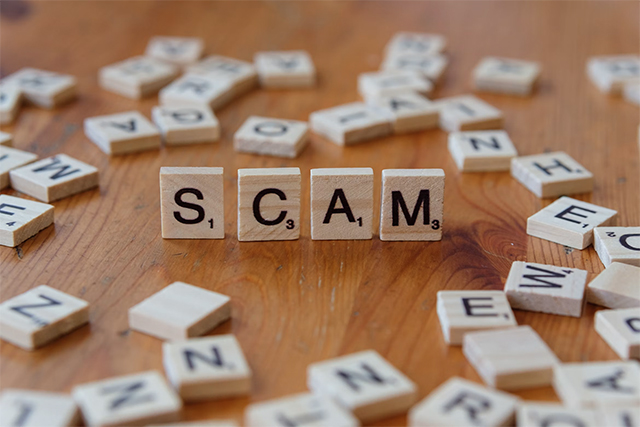
We all receive strange emails and random text messages from time to time, but phishing scams are far more convincing than the obvious spam of the past. Today's scammers are using fake parcel deliveries, banking alerts, social media messages and even online shopping offers to trick Australians into handing over personal information and money.
The scary part? Many phishing scams now look incredibly real.
Whether you're shopping online, paying bills, scrolling social media or simply checking your inbox, knowing how to spot the warning signs can help protect your identity, finances and online accounts.
So, What Exactly Is a Phishing Scam?
A phishing scam occurs when cybercriminals impersonate a trusted company, brand, or person to steal your information. Their goal is usually to access passwords, banking details, credit card information or personal data.
These scams can arrive through:
-
Emails
-
Text messages
-
Phone calls
-
Social media messages
-
Fake websites
Most phishing scams are designed to create urgency so people react quickly without stopping to think.
Quick Signs Something Might Be a Scam
-
The message feels rushed or threatening
-
You're asked to click a link immediately
-
It asks for passwords or payment details
-
The message seems unexpected
-
The sender's email or phone number looks unusual
The Fake Parcel Delivery Scam Everyone Is Seeing
One of the most common scams in Australia right now involves fake delivery notifications. You receive a text claiming your parcel is delayed or that a small payment is required before delivery can proceed.
Because many of us shop online regularly, these scams can feel believable at first glance.
The link usually leads to a fake website designed to steal your card details or login information.
Red Flags Messages to Watch For
-
Your parcel is waiting
-
Delivery failed
-
Pay a small shipping fee
-
Links with strange website addresses
-
Messages from unknown mobile numbers
If you're unsure, go directly to the delivery company's official website instead of clicking the link.
Scam Emails Can Look Surprisingly Real
Phishing emails have also become much more sophisticated. Some copy official logos, branding and formatting from banks, streaming services, online stores and payment platforms.
You might receive an email saying:
-
Your account has been locked
-
Suspicious activity was detected
-
Your payment failed
-
An invoice is overdue
Scammers rely on fear and urgency to encourage quick clicks.
Before Clicking Any Email Link
-
Check the sender's email address carefully
-
Look for spelling mistakes or odd wording
-
Hover over links to preview where they lead
-
Avoid downloading unexpected attachments
If in doubt, log in to your account directly through the official website rather than using the email link and check for validation via customer service centres if needed.
Social Media Scams
Scammers are also targeting people through social media and messaging apps with fake giveaways, online shopping deals, romance scams and investment opportunities.
Some even hack real accounts to send messages pretending to be friends or family members asking for money or verification codes.
Common Social Media Scam Tactics
-
You've won a prize!
-
Fake designer sales
-
Investment schemes promising huge profits
-
Requests for money transfers
-
Fake celebrity or influencer promotions
If something sounds too good to be true, it usually is!
Why Phishing Scams Work So Well
Phishing scams succeed because they play on emotion. They create panic, excitement, curiosity or urgency, all designed to make people act quickly.
Scammers know people are busy and distracted, especially when managing work, family, finances and everyday life online.
The good news is that slowing down and double-checking suspicious messages can prevent most scams from succeeding.
You don't need to be a cybersecurity expert to protect yourself online. A few simple habits can make a huge difference.
Smart Online Safety Tips
-
Never share passwords via email or text
-
Turn on two-factor authentication where possible
-
Use strong, unique passwords
-
Avoid clicking suspicious links
-
Keep your devices and apps updated
-
Verify unexpected requests independently
And remember, legitimate companies will never pressure you to urgently hand over sensitive information via email or text message.
Stay Scam Aware
As technology evolves, phishing scams are becoming more sophisticated and harder to detect. But awareness is still one of the best defences.
By recognising the common warning signs and taking a cautious approach online, you can better protect yourself, your personal information and your finances from scammers.
For current scam alerts and practical advice, visit Scamwatch Australia and the Australian Cyber Security Centre.
Image credit Unsplash Marcus Winkler



MORE
FEMALE.COM.AU
CONTACT US
FOLLOW US ON