
What Perimenopause Does to Your Eyes & What You Can Do About It
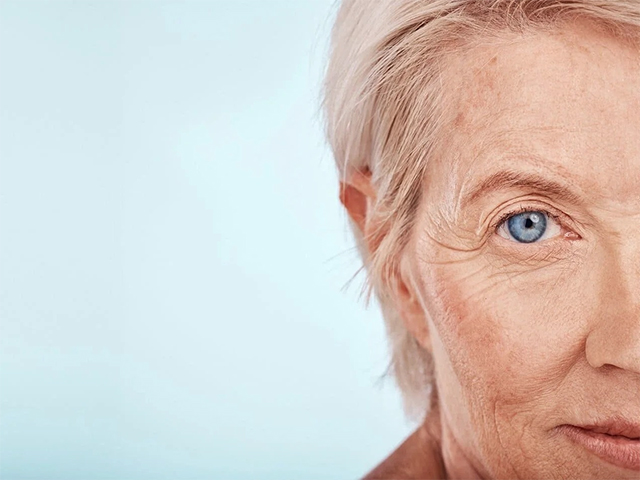
We all know it's coming. But perimenopause still has a way of sneaking up on you. One minute, everything feels normal. Next, your body is doing things you didn't quite expect. Most women are prepared for the obvious changes, such as sleep, mood, and maybe hot flushes. But eye changes are often something that takes them by surprise.
What most women don't realise is that perimenopause can make your eyes feel dry by the afternoon. It can also make reading a little harder than it used to be, and bright lights feel sharper. Especially at night while driving. It's easy to brush it off at first. Indeed, you might blame screen time or general tiredness. However, over time, it starts to feel like more than that.
The truth is, much of it is down to your hormones. Once you understand the reasons, it all starts to make a lot more sense.
What is Perimenopause?
Perimenopause is the natural transitional phase leading up to menopause. During it, a woman's estrogen and progesterone levels fluctuate. This can cause them to experience irregular periods and symptoms such as hot flashes, night sweats, sleep disturbances, and mood changes.
It typically begins in a person's 40s (sometimes in the 30s) and can last for around 4 to 10 years. It generally ends when a woman has not had a period for 12 consecutive months.
How Does Perimenopause Affect Your Eyes?
Eye issues among perimenopausal women are more common than people think. However, hormonal changes and vision are closely connected. Especially when it comes to oestrogen. This hormone helps keep your eyes comfortable by supporting tear production.
As those hormone levels shift, your eyes can struggle to stay as well-lubricated as they once were. You might notice:
* Dry eyes – an uncomfortable, scratchy feeling that doesn't seem to go away
* Blurry vision – things going in and out of focus more than usual
* Itchy or irritated eyes – a stinging or burning sensation that feels a bit like allergies
* Light sensitivity – bright lights suddenly feel overwhelming
It can feel incredibly frustrating, especially when it comes and goes. However, once you understand what's happening, it becomes easier to manage. In particular, if you seek guidance from experts like Focus Vision, who can tell you about longer-term options and what to expect as your vision evolves.
Why Do Hormonal Changes Impact Your Vision?
Your eyes rely on a fine balance to stay comfortable, and hormones help regulate that balance. However, the tear film (the layer that keeps your eyes moist and protected) can become less stable during perimenopause. When that happens, dryness and irritation tend to follow.
There's also the way your eyes focus because, as you get older, the lens inside your eye becomes less flexible. That's a normal part of ageing. But it's one of the main reasons why women's eyesight changes.
Because of it, some women might find themselves holding their phone a bit further away. Or needing better lighting to read comfortably. Such changes don't happen overnight, though. Rather, they tend to creep in slowly, which is why they can feel so unexpected.
Is It Normal or Something More Serious?
This is a question most women who experience it ask, and in many cases, these changes are a normal part of perimenopause. That said, it's still important to pay attention to what your body is telling you.
If your symptoms feel mild and manageable, a few simple adjustments can go a long way towards alleviating the issue. But if they start to feel constant or begin to affect your day-to-day life, it's worth getting your eyes checked.
You should also be aware that menopause-related vision problems sometimes overlap with age-related conditions. Cataracts, for example, can develop gradually and affect your ability to see clearly.
What You Can Do to Manage Eye Symptoms During Perimenopause?
The good news is, there are plenty of ways to ease the discomfort. One of the most vital things to do is to stay hydrated. Your eyes rely on moisture, so try to drink your recommended 2 litres (8 cups) a day.
If you spend a lot of time looking at screens, it is important to give your eyes regular breaks. Some experts recommend the 20-20-20 rule, which states that every 20 minutes you should look at an object 20 feet away from your screen for at least 20 seconds. This can reduce strain more than you might expect.
Other good ways to manage dry eyes naturally involve making a few small changes at home. Introducing softer lighting, a humidifier, or even adjusting where air flows from fans can all help your eyes to feel more comfortable.
You might want to try lubricating eye drops, which can bring quick relief, especially on drier days. The food you consume is also important. So, try to increase your intake of omega-3 fatty acids, found in foods like salmon, flaxseeds, and walnuts. They are often linked to better eye comfort.
When Should You Visit an Eye Specialist?
While some signs of eye issues are perfectly normal during perimenopause, others warrant closer attention. For instance, if your eyes feel consistently dry, your vision stays blurry, or light bothers you more than usual, you should take that as a sign you need to book an appointment.
An eye specialist can take a proper look and explain what's going on. Regardless of whether you are experiencing eye issues or not, you are recommended to have an eye test at least every two years.



MORE
FEMALE.COM.AU
CONTACT US
FOLLOW US ON