
The Garage Door Guide Every Busy Homeowner Should Read: Safety, Security and Kerb Appeal
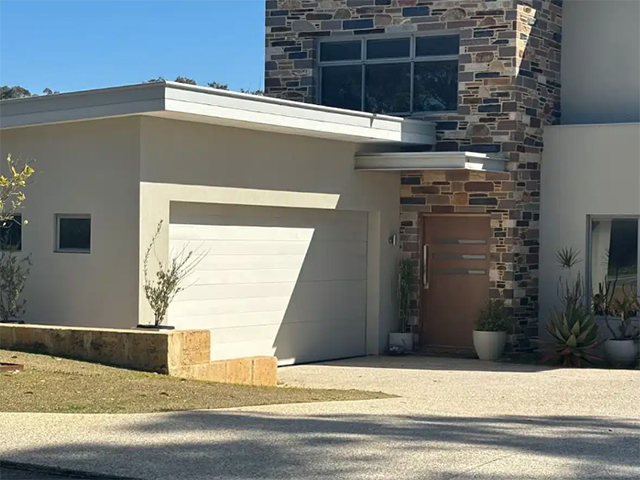
Between school runs, work, groceries and everything else a household throws at you, the garage door is the last thing on anyone's mind. It is also the door you use more than any other. On a busy morning you reverse out, tap the remote and forget about it until the afternoon. Then one day it judders halfway, refuses to move, or starts making a noise that sounds expensive, always when you are already running late. Suddenly the most ignored part of the house is the most urgent.
We install and repair garage doors across Perth homes, and the patterns are remarkably consistent. The households that never think about the door are the ones we meet in a crisis; the ones who give it twenty minutes twice a year almost never call us in a panic. This is a practical, jargon-free guide to the three things a garage door quietly looks after every day: the safety of the people who walk under it, the security of the home behind it, and the first impression your house makes from the street. A typical sectional garage door weighs well over a hundred kilograms and is held in careful balance by springs under high tension. That engineering is what lets a small Merlin or B&D motor lift it so smoothly you never think about the weight. It also means the door is a genuine piece of machinery, not just a big panel. When it is working properly you notice nothing. When a component wears out, those same forces are what turn a failing door heavy, jerky and occasionally dangerous. None of this is cause for alarm. A well-maintained door runs happily for years. But it does mean the door earns the same basic respect you would give any other machine in the home: a periodic look, prompt attention when something changes, and a professional for the parts that are not safe to touch yourself. Modern automatic doors have safety features that are easy to take for granted. The most important is the auto-reverse: sensors near the floor, or a force setting in the motor, that make the door stop and go back up if something crosses its path while it is closing. This is what protects small fingers, the dog and the toddler who bolts for the driveway. It is also the feature most likely to quietly drift out of adjustment over the years. Testing it takes thirty seconds. With the door open, lay a solid object on the floor in its path, a timber offcut or a roll of paper towel, then close the door. The moment it touches the object it should stop and reverse. If it keeps pushing down or hesitates, the safety system needs adjusting. We were once called to a home in the northern suburbs where the auto-reverse had stopped working months earlier and nobody had noticed, the door had simply been squashing a bike left in the way. It was a five-minute fix, but it is exactly the kind of thing that matters most in a house full of kids. If your children treat the wall button as a toy, mount it out of reach and keep remotes out of little hands. One more habit worth building: watch the door all the way down. It is tempting to tap the remote as you walk inside, but staying with it until it closes means you notice if it stops on something, and you know the house is actually shut before you turn your back on it. Opportunistic thieves think of the garage as a door, and a surprisingly inviting one. It shelters bikes, tools, the car and often the good esky, it connects straight into the house through an internal door, and it is usually in worse security shape than the front entrance. A few simple measures close most of the easy gaps. Treat the internal door between the garage and the house as an external door: solid, deadlocked, and actually locked. Plenty of families leave it open on the assumption that the garage door is protection enough, which turns a breached garage into an open house. Keep the remote out of the car if the car lives in the driveway, because a remote plus the address on your rego is effectively a key. We took a call from a family in the southern suburbs who had a remote stolen from an unlocked car overnight and the garage opened the next evening; a five-dollar habit would have saved them the loss. If you go away, use the holiday or vacation lock most openers offer, which switches the remote receiver off entirely. If your opener is more than a decade old, its remote may use fixed codes that cheap scanners can capture and replay. Newer units from Merlin, B&D and ATA use rolling codes that change with every press, closing that gap. Upgrading a tired opener is one of the cheaper security improvements you can make, and it almost always improves reliability at the same time. Stand across the road from a typical Perth home and notice how much of what you see is garage door. On many houses it is the single largest element of the front elevation, more prominent than the front door or the windows. That makes it a powerful lever for how the home looks, and a faded, dented door drags down an otherwise well-kept house. Refreshing the door is one of the highest-impact, lowest-drama improvements you can make. A modern sectional door in a Colorbond colour that picks up your roof or window frames can take years off a house. Woodgrain-look finishes, slimline profiles and considered colours all shift the whole facade. If you are getting ready to sell, buyers form an impression before they even leave the car, and the garage door is doing a lot of that talking. We have had homeowners tell us a new door changed how they felt pulling into their own driveway, which sounds sentimental until it happens to you. Even without replacing the door, a good clean helps. Road grime, red dust and salt off the coast dull the finish. A gentle wash a couple of times a year keeps the colour bright and does the mechanism a favour too, by clearing grit out of the tracks and seals. Garage doors rarely fail without warning; they tell you, if you are listening. New noises, grinding, scraping, banging or squealing, mean something has worn or come loose. A door that opens unevenly, with one side lagging, points to a balance or cable issue. A door that has become noticeably heavier to lift by hand, or that no longer stays put halfway, usually means a spring is losing tension or has gone. Jerky movement, unexplained reversing, or a remote that works only sometimes are all worth looking at early. Acting early is partly about cost and partly about safety. A worn roller replaced today is cheap; the same neglect that lets it seize can throw the door off its track and bend the panels. A spring caught before it snaps is a routine job; a spring that fails leaves you with a door that is genuinely dangerous to move by hand. Most of our emergency call-outs are problems that were quietly grumbling for weeks. Plenty of upkeep is genuinely homeowner-friendly. You can wipe and vacuum the tracks so debris does not build up. You can apply a proper garage-door lubricant, a silicone or lithium-based spray rather than WD-40 or sticky grease, to the rollers, hinges and springs a couple of times a year. You can check the wall around the opening is clear and run the auto-reverse test. None of that needs a tradesperson. What you should not do is adjust or remove the springs and cables. These are under extreme tension and injure well-meaning people every year; the winding bars slip, and a torsion spring does not forgive it. Balance adjustments, spring replacement, cable repair and motor faults are jobs for a trained technician with the right tools and correctly rated parts. If you are in Perth and something is not right, it is simple to book garage door repairs in Perth rather than risk a high-tension component letting go while you are underneath it. A garage is only as useful as it is dry, and the door is the front line. The rubber seal along the bottom, and the strips around the sides and top, keep out driven winter rain, dust and the draughts that make a garage cold. These seals perish slowly in the WA sun, and most people never think to check them until water is pooling on the floor or leaves are drifting in. A worn bottom seal is one of the cheapest, easiest parts to replace, and it transforms how clean and dry the space stays. If your garage doubles as the laundry, the overflow pantry, a home gym or the kids' bike depot, as so many do, keeping the weather out matters even more, because the things living in there are worth protecting. Whenever you wash the door, glance at the seals: if daylight shows through the gaps when it is shut, or the rubber is cracked and hard, it is time for fresh ones. Every door eventually reaches a fork: keep repairing, or replace. There is no single rule, but a few signals point the way. A door needing frequent, escalating repairs, with rusted or dented panels, badly out of balance, or running on an opener no longer supported for parts, is often better replaced than nursed along. On the other hand, a fundamentally sound door with a single failed part, a spring, a roller, a worn seal, is usually worth fixing, sometimes for a small fraction of replacement cost. The deciding factors are safety, reliability and cost over time. A door becoming unpredictable or unsafe is not worth clinging to, and an older single-skin door swapped for a modern insulated one brings real gains in comfort, noise and looks. But that should be a considered decision based on the actual condition of the door, not a reflex. A trustworthy technician will give you a straight answer either way, which is exactly what you want when weighing it up. You do not need a spreadsheet or a reminder app. Twice a year, say at the change of the seasons, spend twenty minutes with the door. Look and listen as it runs a full cycle. Wipe the tracks, lubricate the moving parts, test the auto-reverse, check the internal door lock, and give the outside a wash. That one habit catches most problems while they are small, keeps the mechanism smooth, and keeps the facade looking cared for. The garage door will never be the most exciting part of running a home. But because it carries so much, the safety of the family, the security of everything inside, and a big slice of how the house presents to the world, a little regular attention pays back out of all proportion to the effort. Give it that, and it goes back to doing what a good garage door does best: fading quietly into the background, opening and closing, year after year, without ever giving you a reason to think about it.Why the garage door deserves a second thought
Safety first: the door and the people around it
Security: the garage is a main entrance
Kerb appeal: the door is a third of your facade
The small signs that something is wrong
What you can do yourself, and what you should not
Weather sealing and keeping the garage dry
Repair or replace: making the call
A simple rhythm that keeps the door happy



MORE
FEMALE.COM.AU
CONTACT US
FOLLOW US ON